

Former Pentagon Official slams Trump’s Outreach to Pakistan, Warns of Hidden Agenda in Iran Crisis
‘U.S. must not be fooled by Pakistan’s role’
Washington, DC | June 19: A former Pentagon official has raised serious concerns over the United States’ diplomatic overtures to Pakistan amid ongoing tensions involving Iran, calling it “diplomatic rhetoric” divorced from reality.
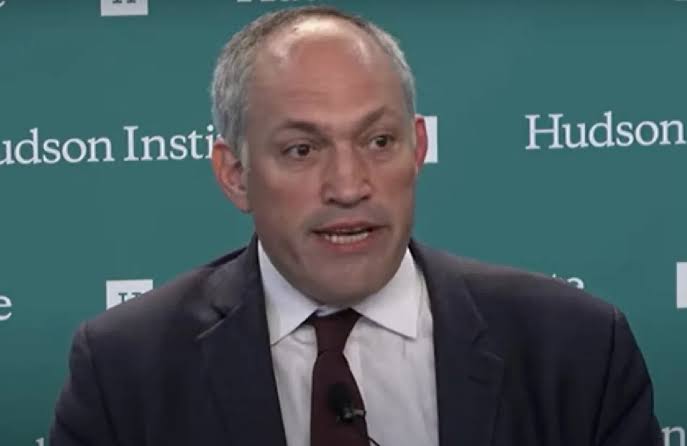
Michael Rubin, a senior fellow at the American Enterprise Institute and former official at the Department of Defense, made these remarks while reacting to recent signals that former U.S. President Donald Trump and military leaders might seek Islamabad’s support as tensions with Tehran escalate.
“This is diplomatic rhetoric and not reality,” Rubin said. “Everyone sees Pakistan for what it is, except perhaps Donald Trump.”
Rubin criticized what he described as overly soft dealings with Pakistan, especially by Trump and the U.S. Central Command, suggesting such interactions are motivated purely by U.S. interests.
“While Donald Trump and the Commander of US Central Command may whisper sweet nothings into Pakistan’s ears, it’s because they want something from Pakistan,” he added.
U.S.-Iran Tensions Fuel Strategic Moves
Rubin’s comments come at a time when Washington is hardening its stance on Iran’s nuclear ambitions. As discussions about the future of Iran’s nuclear program intensify, Rubin pointed out a potential alignment of interests between Pakistan and the U.S.—but warned against rewarding Pakistan for pursuing its own strategic goals.
“Iran and Pakistan are competitors, even if sometimes they find themselves cooperating,” Rubin explained. “It is in Pakistan’s interests for Iran to give up their nuclear program… If that is the case, we shouldn’t pay Pakistan a single dollar for achieving what’s in Pakistan’s own interests.”
Possibility of U.S. Forces in Iran and Nuclear Material Transfer
Rubin also hinted at a more assertive approach from Washington, including potential infiltration of U.S. forces into Iran to dismantle nuclear infrastructure. He suggested that in a post-conflict scenario, Pakistan might be eyed as a location to receive Iran’s decommissioned nuclear supplies.
“If Iran’s nuclear program is going to be eradicated, it may take the infiltration of US forces… If we are going to truck out Iran’s nuclear supplies… perhaps there is some discussion that Pakistan could receive those supplies,” Rubin noted.
A Calculated Gamble?
The implications of Rubin’s remarks are far-reaching. They highlight the possibility that Trump-era diplomacy toward Pakistan might be less about genuine partnership and more about strategic maneuvering in the Middle East. At the same time, Rubin’s stark warning underlines a growing unease among U.S. foreign policy experts about Pakistan’s long-standing duplicity and its role in the shifting balance of power in the region.
As the Iran crisis unfolds, questions remain about how far Washington will go—and at what cost—in courting Islamabad for support.
