

CEUTA, Spain, October 10: Hundreds of teenage migrants remain homeless on the streets of Ceuta, a Spanish territory in North Africa, amid criticism over the authorities’ slow response to a migration crisis that has left thousands of young people struggling to find shelter.
Many of the teenagers have reportedly spent weeks sleeping on cardboard sheets, damaged sofas, in overcrowded makeshift camps or on the streets while waiting for accommodation and assistance.
Among them is a 17-year-old boy from northern Morocco who entered Ceuta in late July during a major surge in migration across the border. Hoping for shelter or permission to travel to mainland Spain, he joined other teenagers waiting to meet Spain’s visiting youth minister in early October.
However, the group was reportedly moved to a nearby football ground to prevent overcrowding around the minister. Within hours, many of the youngsters had returned to the streets and surrounding hillsides.
Under Spanish law, unaccompanied minors arriving in the country are entitled to protection, including shelter, healthcare and education. However, local authorities have struggled to accommodate the large number of young migrants.
Children Face Unsafe Living Conditions
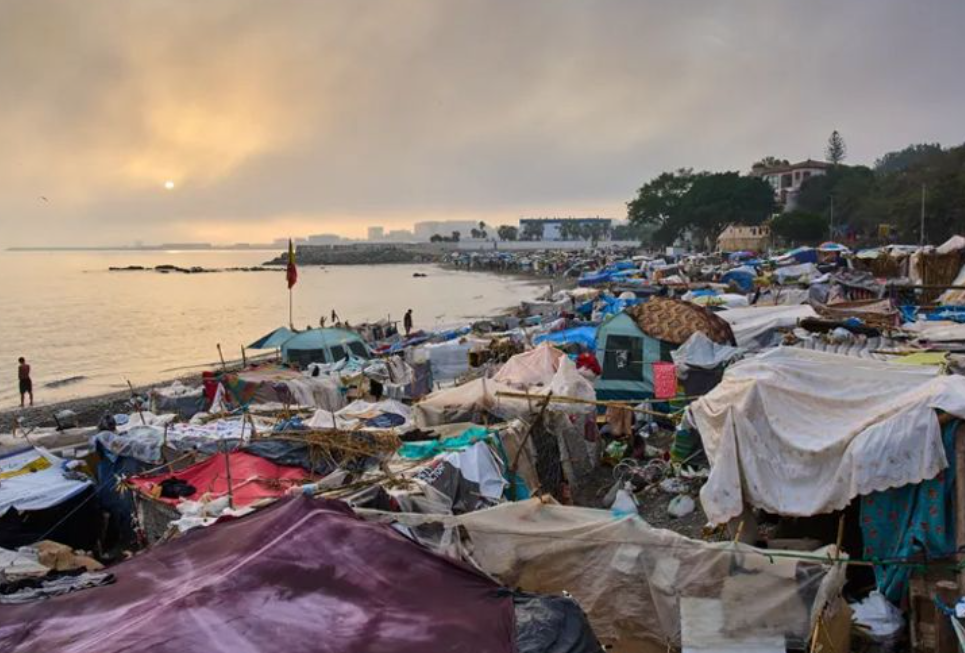
Makeshift camps have emerged on beaches, near warehouses and on hillsides following the arrival of tens of thousands of people in July. Many migrants attempted to enter Ceuta by swimming or crossing a breakwater separating the Spanish territory from Morocco.
Reports indicate that around 140 people died during the crossing attempts. While many who reached Ceuta subsequently returned to Morocco, the exact number who remained has been difficult to establish.
Conditions in some camps have raised serious concerns. Children, including those as young as 13, have reportedly slept alongside adults in overcrowded areas where fights and poor sanitation have been reported.
Ahmed Enfed-Dal, president of a local neighbourhood association, said children could be seen across the city’s streets.
Spanish prosecutors are investigating allegations of mistreatment and torture involving migrants, including minors. Amnesty International also published a report in September documenting allegations of cruel or degrading treatment by Spanish soldiers, along with concerns about unsafe conditions and alleged sexual abuse involving underage migrants.
Teenagers Report Violence And Exploitation
The 17-year-old Moroccan boy told the Associated Press that he initially stayed in a garage with two other minors before moving to the streets when he could no longer afford accommodation.
He alleged that people had tried to rob and assault him twice.
Like several other young migrants, he said limited opportunities in his home country had influenced his decision to leave. Before travelling to Ceuta, he had worked with his father as a butcher in Tetouan, a Moroccan city located about 40 kilometres south of the Spanish territory.
Despite the difficult conditions, he said returning to Morocco was not an option he wanted to consider.
Spanish Authorities Disagree Over Responsibility
The crisis has also triggered disagreements between Spain’s national government and Ceuta’s local administration over resources, responsibility and the future of the young migrants.
Spain’s central government has provided more than €90 million in funding and called for each minor’s circumstances to be assessed individually. However, Ceuta Mayor Juan Vivas has argued that the city lacks the resources to manage the influx and has urged national authorities to find solutions, including possible returns to Morocco where legally permitted.
Under Spanish law, the return of an unaccompanied child to their home country is permitted only under specific conditions.
The number of migrants remaining in Ceuta is also disputed. Estimates have ranged from around 2,000 to as many as 15,000, while the number of unaccompanied minors still living without shelter remains unclear.
Jennifer Zuppiroli, a migration expert with Save the Children in Spain, said authorities should maintain an official register of people declaring themselves to be minors, even when the protection system is overwhelmed.
Demolition Of Camps Raises Further Concerns
In early October, Spanish police began clearing a beachside camp and removing accumulated waste. Some migrants were transported elsewhere, while rights groups raised concerns about reports that some minors had been taken towards the border.
The developments have heightened anxiety among teenagers who fear being returned to Morocco and remain uncertain about their future.
After nearly two months on the streets, the 17-year-old said the prolonged wait had begun to take a toll on him.
The situation in Ceuta continues to highlight the challenges of protecting unaccompanied migrant children, particularly when large arrivals place pressure on local shelter and welfare services.
