

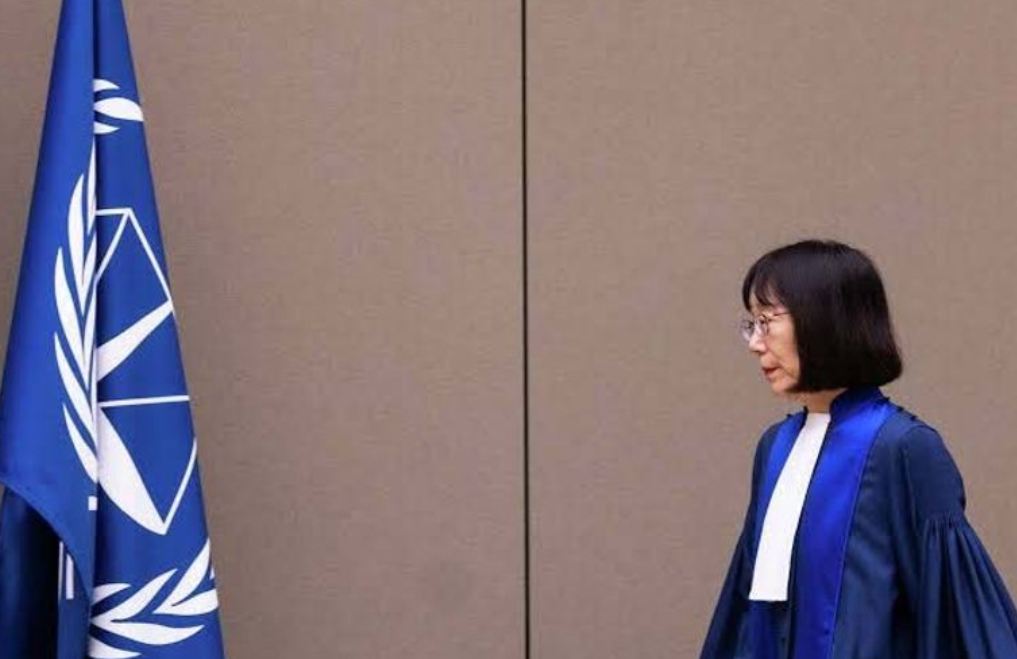
Tokyo, October 9: Japan on Friday strongly criticised Russia’s extradition requests targeting International Criminal Court (ICC) President Tomoko Akane and eight other officials associated with the Netherlands-based court, describing the move as unjust and unacceptable.
The requests follow Russia’s action against the nine officials in response to the ICC’s 2023 arrest warrant for Russian President Vladimir Putin over the war in Ukraine. The Moscow City Court sentenced the officials to prison terms in absentia last year.
Deputy Chief Cabinet Secretary Masanao Ozaki told reporters that Tokyo had formally protested to Moscow over the extradition requests. He said Japan considered measures targeting individuals associated with the ICC unacceptable and expressed regret that Russia had approached multiple countries seeking their extradition.
Ozaki added that Japan would consider further appropriate action, including lodging additional protests.
Russia’s Prosecutor General’s Office submitted the extradition requests to the Netherlands and several other countries on Thursday. The officials targeted include ICC President Akane, a Japanese national.
According to Russia’s state news agency TASS, Moscow has accused the ICC of issuing arrest warrants against Russian citizens without evidence and in violation of what it considers fundamental principles and norms of international law. The ICC’s warrant for Putin is linked to alleged crimes arising from Russia’s war in Ukraine.
The development comes amid strained relations between Japan and Russia. Tensions have persisted over a group of Pacific islands claimed by Japan and controlled by Russia since the final days of World War II. The territorial dispute has prevented the two countries from formally concluding a peace treaty to end their wartime hostilities.
Japan has also faced diplomatic challenges in balancing its support for the ICC with its close relationship with the United States, which has opposed several of the court’s actions.
Prime Minister Sanae Takaichi reiterated Japan’s position during a parliamentary session on Friday, saying the country had consistently supported the ICC and would continue to do so.
Meanwhile, Washington has accused the court of exceeding its mandate and imposed sanctions on Akane and other ICC officials in retaliation for investigations involving Israeli officials over the Gaza war and inquiries into the conduct of US military personnel in Afghanistan.
The US sanctions include freezing assets held within US jurisdictions and restricting the entry of targeted officials and their family members into the country.
The latest dispute highlights growing international tensions surrounding the ICC’s authority, its investigations and the political consequences faced by officials associated with the court.
