

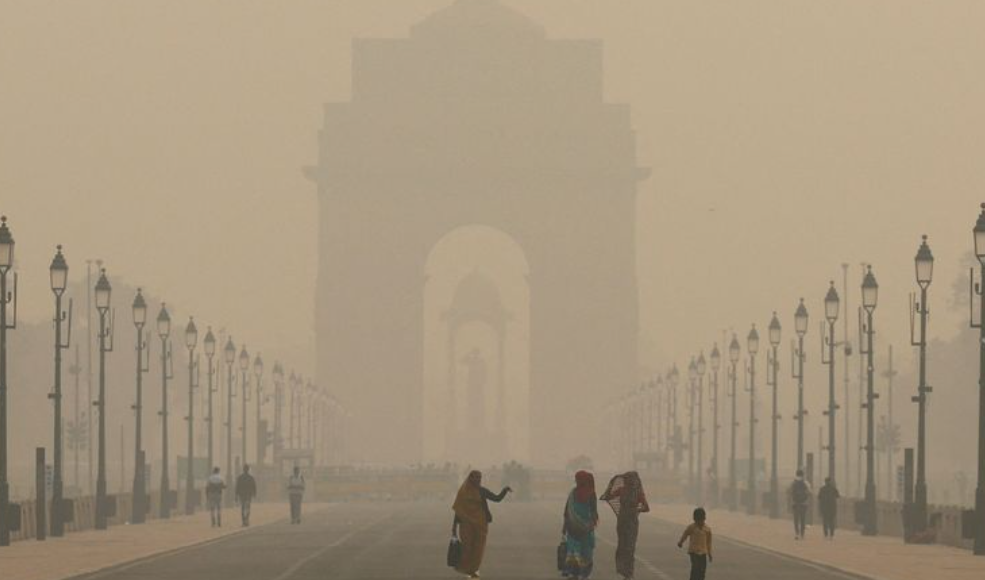
New Delhi, October 9: Prolonged exposure to air pollution may contribute to the biological processes associated with gynaecological cancers, experts have said, pointing to emerging research examining the effects of fine particulate matter (PM2.5) on women’s reproductive health.
Medical specialists cautioned that gynaecological cancers have multiple causes and that the relationship between air pollution and cancers of the female reproductive system remains an area of ongoing research. They stressed that current evidence does not establish air pollution as a direct cause of these cancers.
Dr Rama Joshi, Gynaecological Oncosurgeon and Chairman of Gynae Oncology and Robotic Surgery at Fortis Gurugram, said prolonged exposure to PM2.5 is of concern because it has been associated with inflammation, oxidative stress and other systemic biological effects.
She noted that recent studies have identified associations between air pollution and certain reproductive health outcomes among women. However, findings related specifically to gynaecological cancers remain evolving and have not been consistent across all studies.
Joshi emphasised the need for more India-specific research before firm conclusions can be drawn about the role of pollution in cancer development.
A recent India-wide study examining environmental exposure and reproductive health reported that women exposed to PM2.5 concentrations exceeding 40 micrograms per cubic metre had 24 per cent higher odds of delayed menarche and a 23 per cent higher hazard of early menopause.
The researchers analysed National Family Health Survey data alongside satellite-derived estimates of PM2.5 exposure and other environmental indicators. The analysis included nearly 1.8 lakh women aged 15–24 for menarche-related outcomes and approximately three lakh women aged 30–49 for menopause-related outcomes. Stronger associations were reported in northern India, including Delhi, Haryana, Punjab and parts of Uttar Pradesh.
Researchers are investigating whether pollution-related inflammation, oxidative stress and cellular damage could affect hormonal pathways and tissues in the female reproductive system. However, these findings do not establish a direct link between air pollution and gynaecological cancers.
Established risk factors also remain important. Endometrial cancer, which affects the lining of the uterus, is associated with factors including obesity, prolonged oestrogen exposure, diabetes, increasing age and certain genetic conditions. Ovarian cancer has a different risk profile, including age, family history and inherited genetic mutations.
Dr Aditya Sarin, Vice Chairman of Medical Oncology at Sir Ganga Ram Hospital, New Delhi, said the emerging evidence provides grounds for further investigation into whether prolonged PM2.5 exposure could contribute to the wider cancer-risk environment.
He said the biological effects associated with chronic pollution exposure are relevant to cancer research, but causation has yet to be established, particularly in the case of gynaecological cancers.
Experts advised women to focus on established preventive and monitoring measures, including maintaining a healthy weight, staying physically active, managing diabetes and other metabolic conditions, and understanding their family history.
They also urged women to seek timely medical evaluation for persistent or unusual symptoms, including abnormal uterine bleeding, bleeding after menopause, unusually heavy or prolonged periods, persistent pelvic pain, unexplained bloating, or changes in urinary and bowel habits.
Given the high levels of air pollution experienced in Delhi-NCR, experts called for larger, long-term studies involving Indian women to clarify whether sustained environmental exposure contributes to the risk of gynaecological cancers.
They stressed that air pollution deserves serious scientific attention, while cautioning against treating it as an established standalone cause of these diseases.
