

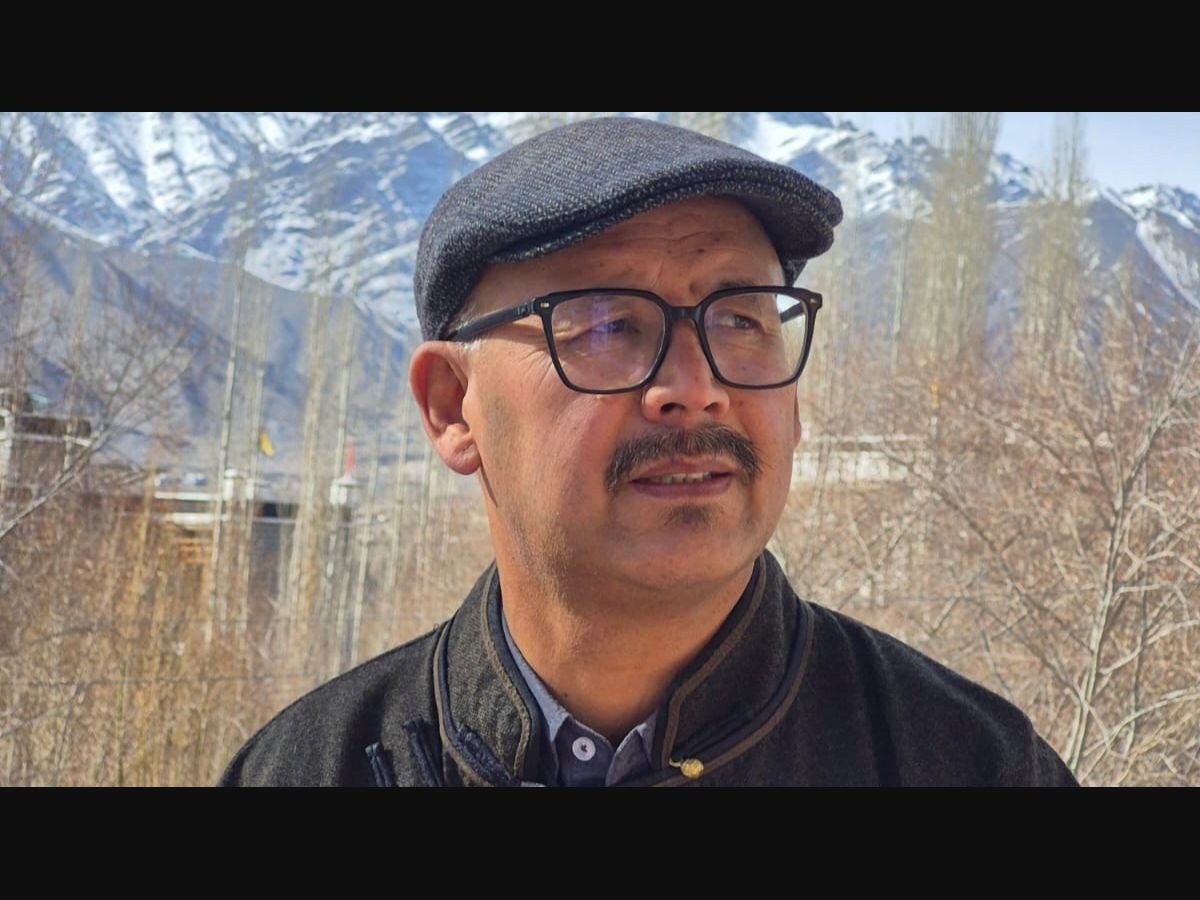
Leh, Mar 25: Director of the National Institute of Sowa Rigpa (NISR), Leh, Dr. Padma Gurmet on Tuesday underscored the need for conservation and organised cultivation of medicinal plants in the fragile Himalayan ecosystem, as a two-day training-cum-skill development programme commenced at the Trans Himalayan Herbal Garden in Leh.
The programme, organised by the State Medicinal Plant Board (SMPB), Union Territory of Ladakh, in collaboration with NISR, witnessed participation from over 80 attendees, including Amchis, farmers, and other stakeholders interested in medicinal plant cultivation.
The inaugural session began with registration of participants between 10:00 AM and 11:00 AM, followed by a welcome address by Dr. Dorji Galchan, Consultant, SMPB. He outlined the objectives of the programme and highlighted the role of medicinal plants in supporting sustainable healthcare systems and generating livelihood opportunities in Ladakh.
Addressing the gathering, Dr. Tashi Thinlas, Director Health Services/AYUSH and Chief Executive Officer, SMPB, elaborated on the role of AYUSH systems in promoting traditional medicine. He urged participants to adopt scientific approaches in the cultivation of medicinal plants to enhance productivity and quality.
In his address, Dr. Padma Gurmet stressed the importance of the Sowa Rigpa system and called for focused efforts towards conservation and cultivation of medicinal plants suited to high-altitude conditions.
The session also witnessed the unveiling of a calendar by the State Medicinal Plant Board to promote awareness about medicinal plants and their applications.
Following a brief tea break, technical sessions were conducted. Dr. Tsewang Rinchen delivered a lecture on the cultivation of medicinal plants, highlighting the diversity and relevance of medicinal flora in high-altitude regions. Ms. Skalzang Lamo spoke on ethno-medicinal plants and cultivation methods in cold desert conditions, combining traditional knowledge with scientific practices.
A guest lecture by Amchi Sonam Tundup on Carthamus tinctorius (Palkur) provided practical insights into its uses and cultivation.
The programme also included felicitation of speakers for their contributions. A hands-on training session on the cultivation of Carthamus tinctorius was conducted, followed by a field visit to enable participants to gain practical exposure.
An interactive session held after lunch saw active participation, with attendees engaging with experts, seeking clarifications, and sharing field experiences.
The programme will continue on the second day with further technical deliberations and practical sessions aimed at strengthening capacity in medicinal plant cultivation across Ladakh.
