

New Delhi, October 9: The Central Armed Police Forces (General Administration) Act, 2026, which establishes a common legal framework for the recruitment, promotion, deputation and service conditions of officers in five central armed police forces, came into force on Thursday.
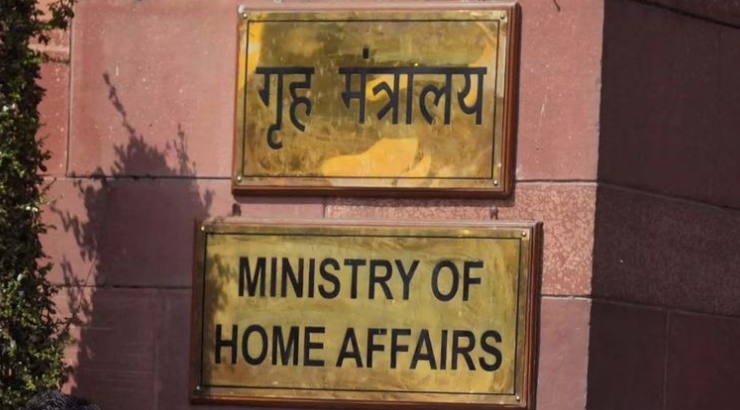
The Union Ministry of Home Affairs issued a notification declaring October 8, 2026, as the date of implementation of the legislation. The development comes as the Supreme Court is hearing multiple petitions filed by thousands of CAPF officers challenging the validity of the law, which was passed by Parliament in April.
The legislation covers Group-A general duty officers and other officers serving in the Central Reserve Police Force (CRPF), Border Security Force (BSF), Central Industrial Security Force (CISF), Indo-Tibetan Border Police (ITBP) and Sashastra Seema Bal (SSB).
The Centre recently informed the Supreme Court through an affidavit that appointments of Group-A general duty officers in these forces are now governed by the new Act. According to the government, the legislation empowers the Centre to determine recruitment procedures, including appointments through deputation, and prescribe officers’ service conditions.
However, the law has faced opposition from serving and retired CAPF officers, who argue that the deputation of Indian Police Service (IPS) officers to senior positions limits the career progression of cadre officers.
Under the new legislation, 50 per cent of the posts at the Inspector General (IG) level are to be filled through deputation from the IPS. At least 67 per cent of the posts at the Additional Director General (ADG) level are also reserved for deputation, while the posts of Special Director General and Director General are to be filled exclusively through deputation.
The dispute follows a Supreme Court judgment delivered in May 2025, which directed that deputation of IPS officers to CAPF posts up to the IG level should be progressively reduced over two years to provide greater promotion opportunities to cadre officers. The court also directed a cadre review. In October 2025, the apex court dismissed the Centre’s plea seeking a review of its earlier judgment.
CAPF officers have approached the court, alleging that the existing arrangements adversely affect their promotions and career prospects. They have sought implementation of the Supreme Court’s directions, arguing that delayed promotions can undermine the morale of the forces.
The government, meanwhile, has maintained that the new legislation is intended to address administrative difficulties arising from the absence of a unified legal framework. According to the Act’s Statement of Objects and Reasons, the expanding operational responsibilities of the five forces have led to distinct organisational requirements, while fragmented service regulations have resulted in repeated litigation and administrative challenges.
The law seeks to bring recruitment and service-related matters under a common legislative framework. However, its implications for the career progression of CAPF cadre officers and the implementation of the Supreme Court’s earlier directions remain central to the ongoing legal dispute.
The outcome of the proceedings could have significant implications for the command structure, promotion opportunities and leadership arrangements in forces responsible for India’s internal security and border protection.
