

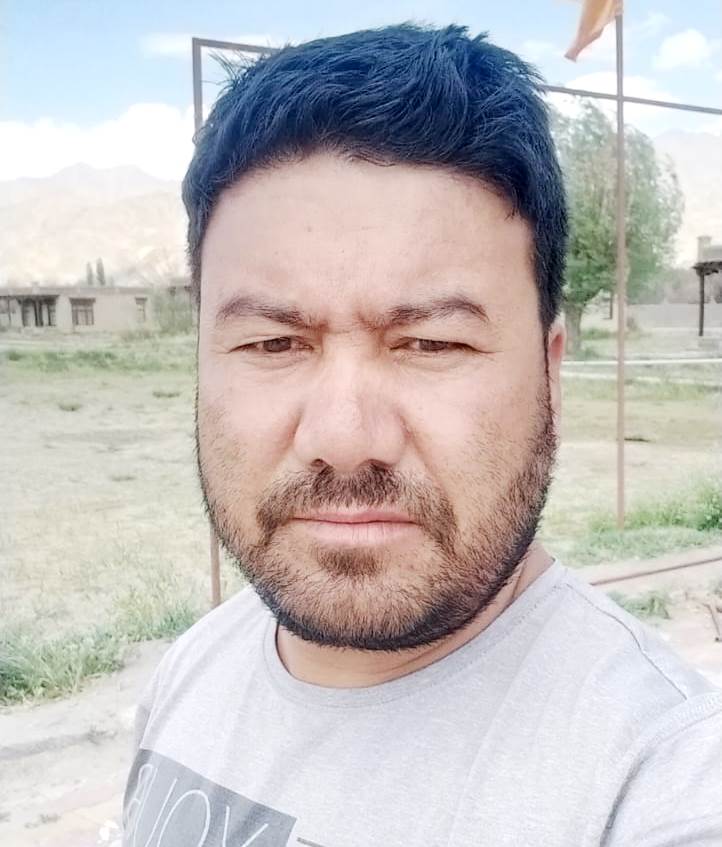
Drass, Jul 15: In a direct appeal to Prime Minister Narendra Modi, Bharatiya Janata Party (BJP) Activist Gulzar Ahmad – a committed party activits has called for the establishment of a separate Ladakh Autonomous Hill Development Council (LAHDC) for the newly formed Drass District and the creation of an exclusive parliamentary constituency to ensure more effective political representation for the region.
Ahmad’s letter, sent Wednesday, reflects growing local demands for a governance framework aligned with Drass’s evolving administrative status and distinct socio-cultural realities. Since being declared a district in August 2024 as part of the Union Ministry of Home Affairs’ reorganization of Ladakh, Drass has seen a rise in calls for institutions that reflect its new administrative identity. The push for a dedicated LAHDC and parliamentary seat echoes broader regional sentiments about the need for localized governance and amplified national representation.
The Drass region, with its geopolitical proximity to the Line of Control and its historic role in national defense, has long voiced concerns about being administratively tethered to larger units that fail to fully accommodate its specific developmental needs. Ahmad’s missive underlines this sentiment, asserting that tailored governance mechanisms are essential for addressing the strategic and socio-economic priorities of the district.
In the event that the creation of a separate LAHDC is not immediately feasible, Ahmad has proposed an interim solution: the allocation of an independent Member of Parliament seat for Drass. He maintains that this would ensure the region’s interests are effectively represented in legislative processes, especially as Ladakh continues to grapple with structural changes following its bifurcation from Jammu and Kashmir in 2019.
The demand for enhanced representation is not an isolated one. It resonates with the long-standing position of the Leh Apex Body (LAB) and Kargil Democratic Alliance (KDA), who have jointly called for two parliamentary seats to reflect Ladakh’s expansive terrain and cultural heterogeneity. These calls have gained traction amid a broader movement seeking constitutional safeguards, including Sixth Schedule status, statehood, and protections for land and employment.
While recent policy moves—such as an 85% job reservation for Scheduled Tribes, a 15-year domicile rule, and increased representation for women in LAHDCs—have aimed to address local concerns, many civil society actors view them as incremental and insufficient. For them, only legislative and financial autonomy can deliver genuine empowerment.
Ahmad’s appeal arrives at a critical juncture, as the central government prepares for a high-level dialogue with regional stakeholders. A meeting of the high-powered committee, led by Minister of State Nityanand Rai, is scheduled for July 20, 2025, to engage with LAB and KDA representatives on issues including statehood, constitutional safeguards, and representation.
The emergence of Drass as an assertive voice in this discourse signals a shift in Ladakh’s political contours, where newly carved districts are increasingly asserting their identities and expectations. Ahmad’s appeal to the Prime Minister not only articulates local aspirations but also challenges the broader policy framework to adapt to the Union Territory’s changing ground realities.
