

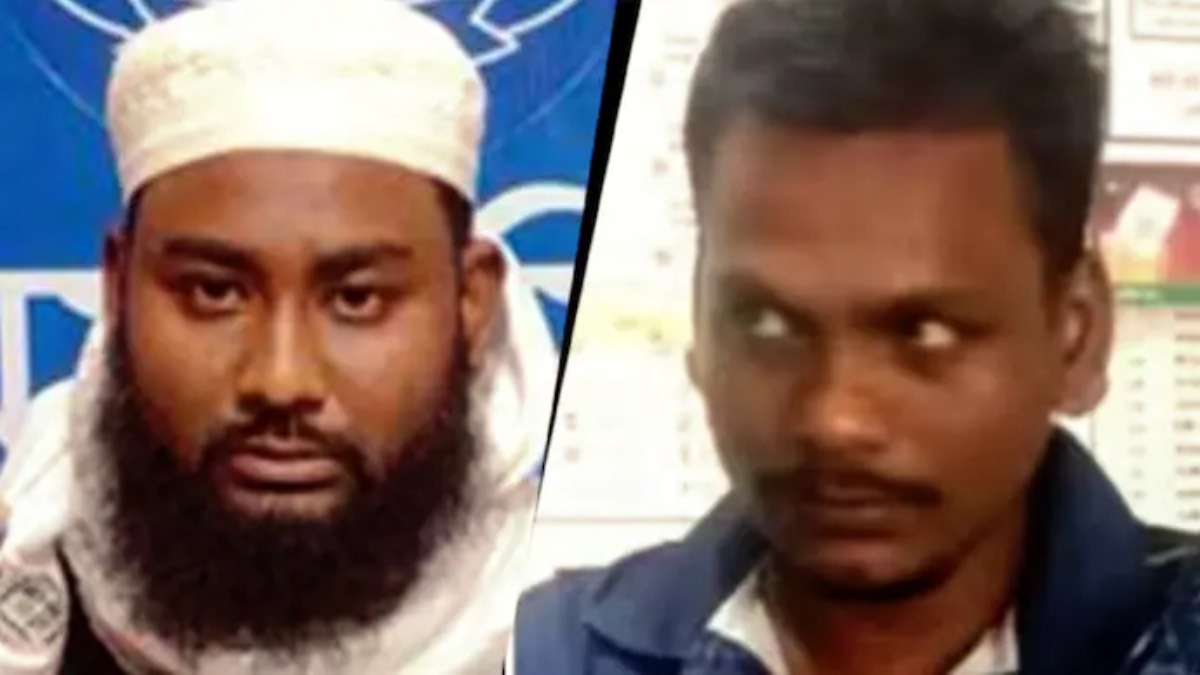
BANGLADESH JAN 08 : Bangladesh police arrested former madrasa teacher Yasin Arafat on Wednesday as the prime accused in the brutal lynching of Hindu worker Dipu Chandra Das, bringing the total number of arrests in the case to 21.
Yasin was apprehended in Sarulia, within the Demra police station jurisdiction, with support from the Dhaka Metropolitan Police. The 25-year-old son of Gazi Mia, a resident of South Hobirbari in Valuka, allegedly led the mob that attacked Dipu at the factory gate on December 18.
According to local media reports, Yasin played a central role in the horrific crime by dragging Dipu’s body to the Square Masterbari area in Mymensingh district and setting it on fire. The accused had been serving as an imam at the Shekhabari mosque and had taught at a madrasa for the past 18 months before the incident.
Following the killing, Yasin went into hiding for 12 days, moving between various madrasas in Dhaka and even securing a teaching position at Suffa Madrasa under a false identity to evade arrest. His capture marks a significant breakthrough in the investigation into the communal violence that shocked Bangladesh.
So far, 21 people have been arrested in connection with the case, with nine detainees already giving confessional statements before a court. The arrests demonstrate authorities’ efforts to bring perpetrators of the mob violence to justice and hold them accountable for the heinous crime.
The arrest came after a prolonged spell of violence in Bangladesh that began with the killing of Sharif Osman Hadi, a 32-year-old student leader and a key figure in the August 2024 uprising that led to Sheikh Hasina’s exit from the country. Hadi’s death triggered widespread unrest, including attacks on minorities across Bangladesh.
Dipu Chandra Das was caught in the ensuing mob violence and was killed the same day over allegations of blasphemy. The Hindu worker’s brutal lynching drew international condemnation and raised serious concerns about the safety of religious minorities in Bangladesh amid the political turmoil.
The incident highlights the dangerous climate of communal tension and mob violence that has plagued Bangladesh since the political upheaval of 2024, with minority communities bearing the brunt of the unrest. The case has become a focal point for concerns about religious tolerance and the protection of minorities in the country.
