

 Jammu, Feb 12: The Jammu and Kashmir Assembly on Thursday witnessed heated exchanges over the unchecked spread of misinformation, prompting the Speaker to schedule a special half-hour debate on the absence of a formal institutional mechanism to deal with fake news.
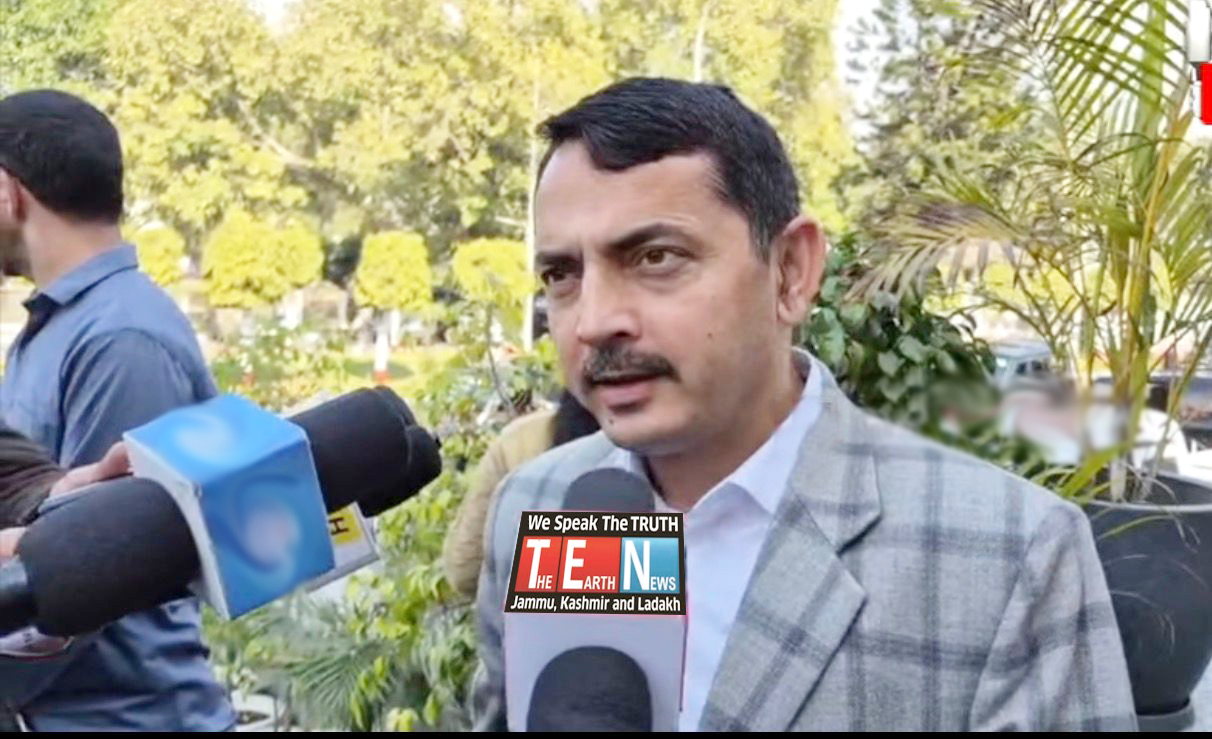
The intervention came after a sharp attack by BJP legislator R. S. Pathania, who accused the government of failing to put in place a credible regulatory and enforcement structure to counter the growing influence of misleading digital content.
Raising the issue during the sitting, Pathania said the lack of a clearly defined regulatory and institutional framework was leaving society exposed to organised misinformation. He argued that the problem went beyond rumours and directly affected governance, public accountability and the functioning of democratic institutions. According to him, the administration currently stood without an effective defence against a threat that also carried security implications.
The intensity of the exchanges compelled the Speaker to order a dedicated half-hour discussion in the House to examine what several members described as an institutional vacuum in dealing with fake and misleading information.
In a written reply placed before the House, the government referred to the role of the Directorate of Information and Public Relations Jammu and Kashmir in issuing official clarifications and counter statements.
The data, however, highlighted the scale of the challenge. Between April 2025 and January 2026, the department issued 28 rebuttals to misinformation, including 20 press releases and eight interventions through official social media channels.
The government also acknowledged a major limitation in the existing system. It stated that the Information Department has no legal authority to impose penalties on entities circulating false information. It further clarified that there is no mechanism in place to recognise, accredit or grade private Fact-Checking Units operating in the digital space.
Facing criticism from the opposition benches for what was described as a reactive approach, the government informed the Assembly that a Draft New Media Policy-2026 is currently under inter-departmental consultation.
According to the written reply, the proposed policy seeks to expand the regulatory framework beyond traditional print media to include social media platforms and online news portals. It also proposes the introduction of mandatory cyber security audits and the creation of cyber crisis management plans across all government departments.
The policy further envisages a system of monthly high-level reviews of cyber infrastructure and preparedness, to be chaired by the Chief Secretary.
The half-hour debate, scheduled by the Speaker, is expected to focus on the absence of statutory powers, regulatory oversight and institutional coordination in addressing misinformation in the Union Territory’s rapidly expanding digital media ecosystem.
