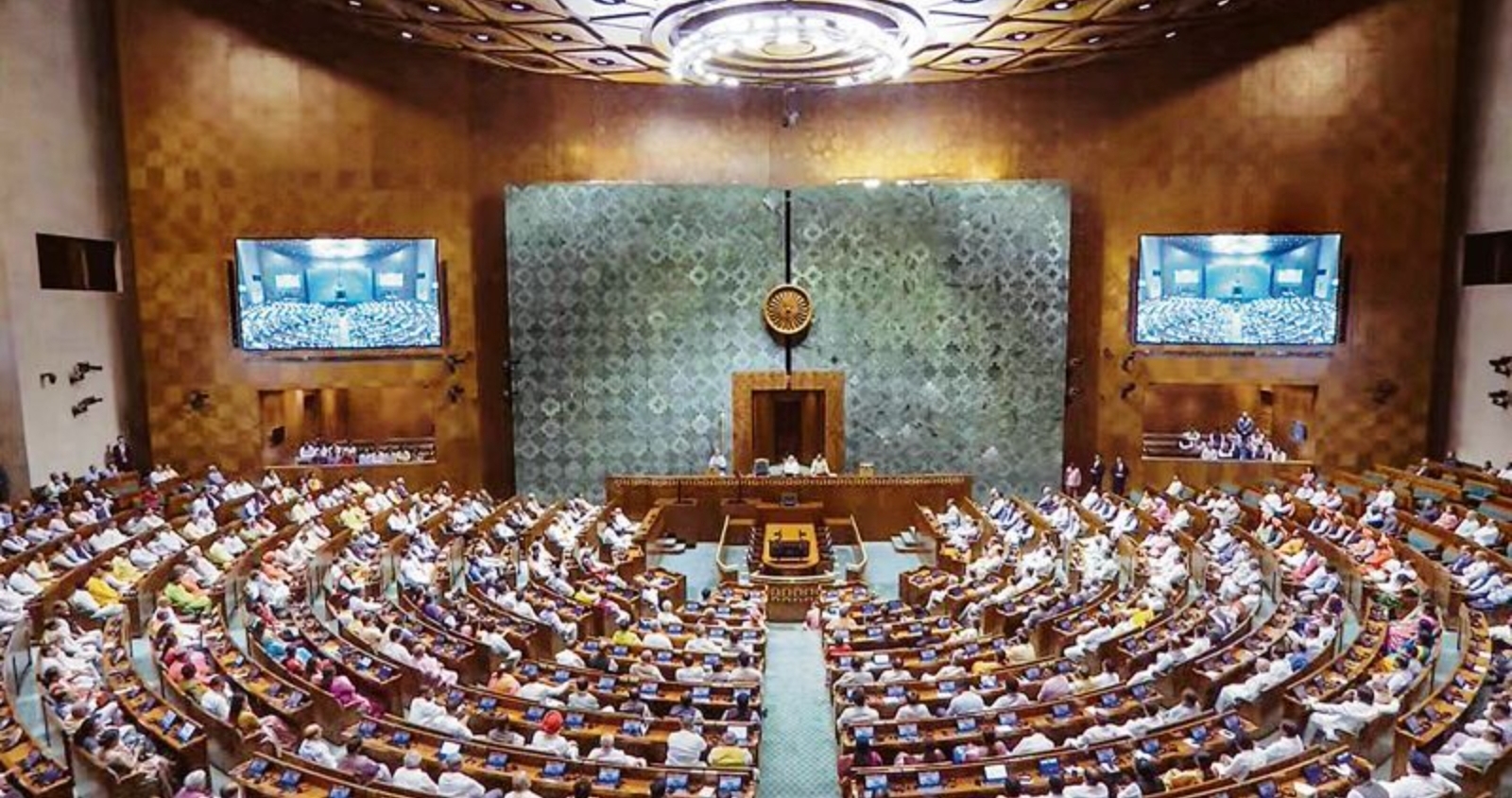
New Delhi, Jul 20: The report of the Parliamentary Select Committee on the proposed Income Tax Bill 2025 is set to be presented in the Lok Sabha on Monday. This new legislation is poised to replace the Income Tax Act of 1961, bringing major structural and procedural reforms to India’s tax system.
The Select Committee, chaired by BJP MP Baijayant Panda and comprising 31 members, was assigned the task of reviewing the Bill introduced by Finance Minister Nirmala Sitharaman on February 13. The committee adopted the final report on July 16 after suggesting 285 changes, marking a critical step toward revamping the existing tax framework.
Designed to simplify compliance and reduce litigation, the new Income Tax Bill is notably shorter, with a word count of 2.6 lakh compared to the earlier 5.12 lakh. It consolidates legal clarity by reducing the number of sections to 536 from 819 and cutting down chapters from 47 to 23.
In a move towards better taxpayer understanding, the bill replaces the older terminology of ‘previous year’ and ‘assessment year’ with the more intuitive ‘tax year’. This change eliminates the confusion surrounding two-year references for one assessment and introduces a streamlined timeline for tax filing.
Exemptions and TDS/TCS provisions have been restructured using tabular presentations. The bill also features an expanded and simplified section on not-for-profit organisations, helping ensure ease of compliance and transparency. The restructuring led to the removal of 1,200 provisos and 900 explanations, resulting in a word count reduction of over 34,000.
The new legislation includes 57 tables, offering more concise guidance as compared to 18 in the existing law. Sitharaman, while introducing the bill, highlighted that it brings “substantial changes,” making the tax law more readable and less ambiguous.
The report submission comes ahead of the Monsoon Session of Parliament, which will convene from July 21 to August 21. The Bill’s presentation marks a crucial milestone in modernising India’s taxation regime, aligning it with contemporary economic needs and global standards. (Agencies)
New Income Tax Bill 2025 Report to Be Tabled in Lok Sabha on Monday