

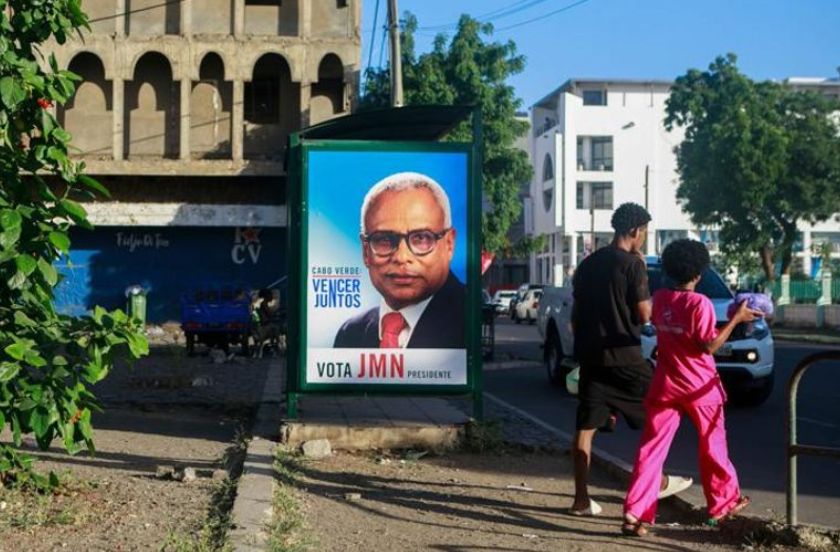
PRAIA, NOVEMBER 15: Cape Verde is heading to the polls on Sunday, with the country potentially set to elect its first woman president since gaining independence from Portugal in 1975.
Former Justice Minister Joana Rosa, backed by the opposition Movement for Democracy, is challenging incumbent President Jose Maria Neves, who is seeking a second term.
A total of six candidates are contesting the presidential election. If no candidate secures more than 50 per cent of the votes, a second round will be held on November 29.
Rosa has made history as the first woman to contest the presidency since the country’s independence. Although women have held several senior ministerial positions, Cape Verde has never had a woman prime minister or president.
Under the country’s parliamentary system, the Prime Minister exercises most executive powers and directs government policy. The President, elected directly by the people, has largely ceremonial responsibilities but also holds the authority to veto legislation.
Located in the Atlantic Ocean off the coast of West Africa, Cape Verde has a population of around half a million. The island nation is known for its competitive elections and peaceful transfers of power, a political record that remains uncommon in the region.
Nearly 77,000 Cape Verdeans living abroad are registered to vote, accounting for almost one-fifth of the total electorate.
Political observers say many voters feel disconnected from their leaders and want a president who understands their everyday challenges. Limited economic opportunities have also pushed many young people to seek better prospects overseas, said Roselma Evora, a professor of political science and gender studies at the University of Cabo Verde.
Neves, who won the 2021 presidential election with approximately 52 per cent of the vote, has promised to build cooperation across political parties. His priorities include improving housing, healthcare and education, generating employment and increasing wages.
According to Evora, Neves also benefits from the visibility associated with holding the presidency, particularly among voters living abroad.
Rosa’s candidacy is being seen as a challenge to traditional gender expectations in a society that continues to have strong patriarchal influences, Evora said.
Her campaign has focused on maintaining a balance of political power. Rosa argues that the country needs a counterweight to the African Party for the Independence of Cape Verde (PAICV), which supports Neves and controls the national government as well as most municipalities.
PAICV secured a parliamentary majority in May, ending a decade of government led by the Movement for Democracy. A victory for Rosa would once again place the presidency and the government under the control of rival political camps.
However, Cape Verde-based writer Rosario Luz said political party loyalties were likely to matter more to voters than Rosa’s gender.
She noted that although women have a significant presence in politics, government policies have not adequately addressed issues affecting them.
Luz also highlighted the financial responsibilities shouldered by women in many Cape Verdean households, saying existing government policies had failed to sufficiently recognise and address their economic burden.
