

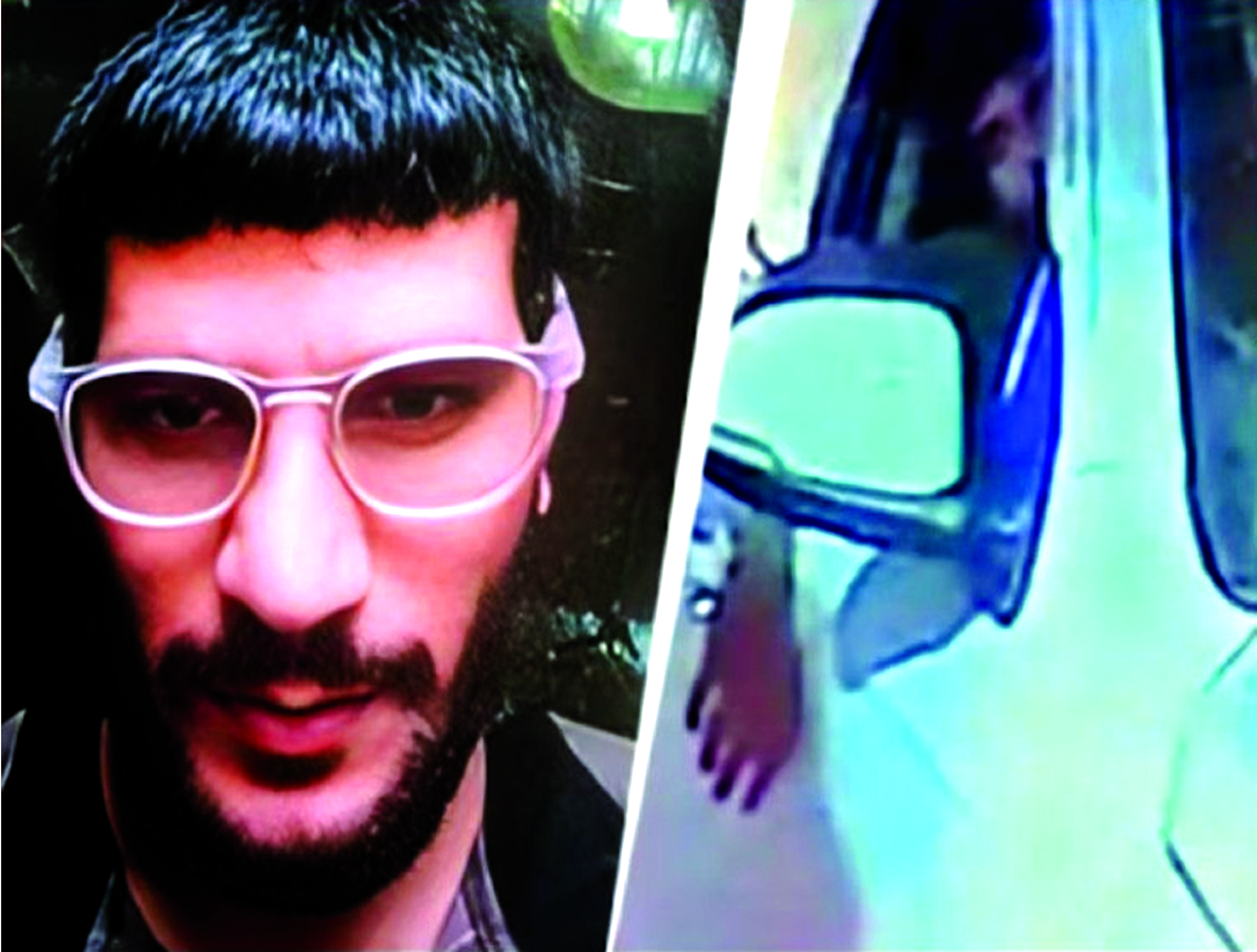
NEW DELHI: Investigators probing the Red Fort blast have unearthed startling evidence that arrested doctor Muzammil Ganaie made several reconnaissance trips to the Red Fort area weeks before the explosion, raising suspicions that the historic monument was the intended target for a Republic Day attack.
According to officials familiar with the probe, analysis of dump data from Ganaie’s mobile phone revealed repeated movements in and around the Red Fort in early January. Investigators believe the visits were part of a detailed surveillance exercise aimed at assessing security arrangements and crowd density near the monument.
Senior officers said the plan to strike on January 26 was thwarted by heightened security deployment in the area during Republic Day celebrations. The blast that eventually tore through a car near Red Fort earlier this week, killing 12 people and injuring several others, is now being linked to the same network.
Foreign Links Under Scanner
Sources said Ganaie and another accused, Dr Umar Nabi, who was allegedly driving the Hyundai i20 that exploded, had both travelled to Turkey earlier this year. Immigration stamps in their passports have prompted investigators to examine whether they met any foreign-based handlers during their visit.
Delhi Police have also issued a citywide alert to trace a red Ford EcoSport believed to be connected to the module behind the blast. The alert follows revelations that other suspects linked to the Hyundai i20 were seen using the second vehicle.
Terror Module with International Footprint
The Special Cell of Delhi Police last week dismantled a terror module with alleged links to Jaish-e-Mohammed (JeM) and Ansar Ghazwat-ul-Hind, arresting eight suspects, including three doctors. The crackdown led to the recovery of over 2,500 kilograms of explosives, comprising ammonium nitrate, potassium chlorate, and sulphur, from sites across Jammu and Kashmir, Haryana, and Uttar Pradesh.
Police officials confirmed that during a subsequent search in Faridabad, 360 kilograms of ammonium nitrate were recovered from a location tied to Dr Ganaie and Dr Shaheen Sayeed, both affiliated with Al-Falah University.
University Distances Itself
Amid mounting scrutiny, Al-Falah University in Faridabad issued a statement distancing itself from the two accused doctors. “The institution has only a professional association with the individuals under investigation and is anguished by the developments,” the statement read. The university described itself as a “responsible institution” and expressed solidarity with national security efforts.
Forensic Findings and Expanding Probe
Teams from the Forensic Science Laboratory (FSL) collected nearly 40 samples from the blast site, including two cartridges, live ammunition, and remnants of two types of explosives. Preliminary tests indicate that one of the explosive compounds contained ammonium nitrate, while another, yet unidentified, substance appeared more potent.
Officials said dump data and CCTV footage confirmed that Dr Ganaie and Dr Umar visited the Red Fort multiple times in early January. The duo reportedly studied security patrol timings, access routes, and visitor density during their visits.
A senior officer described the movements as “part of a detailed reconnaissance ahead of a planned attack on Republic Day.”
Wider Security Measures
The ongoing probe has also led to the detention of Maulvi Ishtiyaq, a preacher from Haryana’s Mewat region, who was staying in a rented accommodation within the Al-Falah University complex. Police said that explosives seized earlier—amounting to more than 2,500 kilograms—were recovered from his residence. He is expected to be the ninth person arrested in the case.
Security has since been tightened across the Capital, with senior officers personally monitoring vehicle checks at Ghazipur, Singhu, Tikri, and Badarpur borders. Patrols have also been intensified at markets, metro stations, and transport hubs.
