

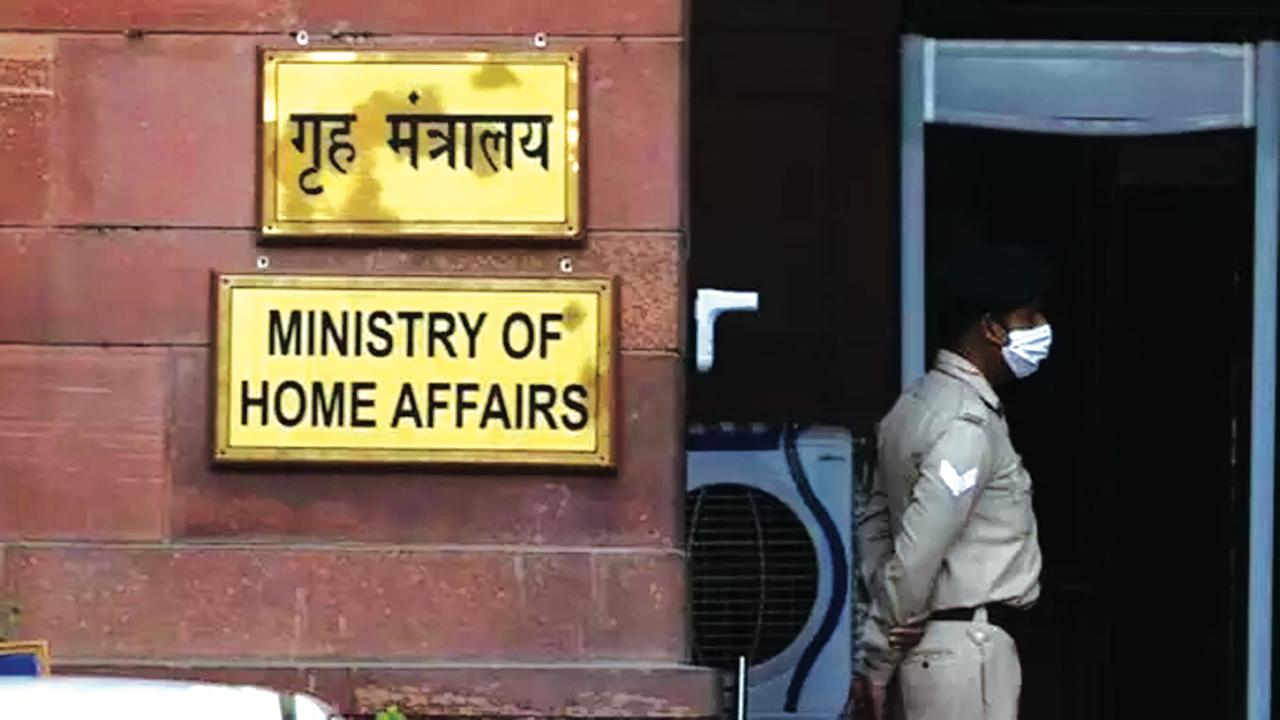
Leh, Jan 17: The Ministry of Home Affairs (MHA) has confirmed that the next round of talks on Ladakh’s long-pending political and administrative demands will take place on February 4, 2026, in New Delhi. The meeting of the High-Powered Committee (HPC) will be chaired by Union Minister of State for Home Nityanand Rai and is expected to bring together senior representatives from Ladakh’s leading civil groups.
The formal notice, issued by the MHA’s Department of Jammu, Kashmir, and Ladakh Affairs, follows a January 8 communication seeking date preferences from Leh Apex Body (LAB) and Kargil Democratic Alliance (KDA) members. The meeting is scheduled for 4 PM at Kartavya Bhawan-3, and the notification bears the signature of Deputy Secretary Ruchika Katyal, who also serves as the HPC’s Member Secretary.
The latest development comes at a time when demands for statehood, Sixth Schedule safeguards, employment protections, and enhanced legislative authority continue to dominate public discourse across the Union Territory.
A spokesperson of the LAB and KDA—the two primary coalitions negotiating with the Centre—confirmed that the alliances will hold internal consultations ahead of the New Delhi talks. A KDA representative said that after internal discussions, both groups agreed that February 4 is suitable for resuming dialogue with the Centre.
The scheduled meeting will mark the first formal engagement between Ladakh representatives and the Union Government since last year’s violent protests in Leh, which left four people dead and nearly 90 injured. The unrest intensified pressure on the Centre to address Ladakh’s concerns and prompted a judicial inquiry announced in October.
A sub-committee meeting was also held in October 2025, during which the Centre sought detailed written representations from Ladakh leaders to chart a roadmap on issues raised across Leh and Kargil.
The HPC was constituted three years ago to mediate between Ladakh-based groups and the Government of India. Its last full sitting took place in May 2025, while a follow-up session planned for October had to be deferred. Over the past year, Ladakh leaders have submitted a comprehensive draft of their demands after multiple rounds of discussions with Home Ministry officials.
The run-up to the February dialogue has also seen the emergence of a new outfit—Voice of Buddhist Ladakh, led by Skarma Namtak—which says the Buddhist community fears marginalisation within the broader movement. Members of the organisation recently met Lieutenant Governor Kavinder Gupta and voiced their concerns.
Sources within the LAB and KDA indicate that the upcoming talks could focus on land and job protection, preservation of Ladakh’s ecology, and strengthening of the Ladakh Autonomous Hill Development Councils. Issues linked to Ladakh’s strategic borders with China and Pakistan are also expected to be discussed.
Advocate Tashi Gyalson, former CEC of LAHDC Leh, has welcomed the Ministry of Home Affairs’ decision to hold the next meeting of the High Powered Committee on Ladakh’s demands.
Sharing an update on social media, Gyalson said, “I am pleased to inform that the Ministry of Home Affairs, Government of India, has fixed February 4, 2026, for the next meeting of the High Powered Committee (HPC) on Ladakh. The talks will continue on issues concerning Ladakh.”
Lieutenant Governor Gupta reiterated that the Centre remains committed to Ladakh’s development but stressed that any outcome must align with the constitutional framework. While Ladakh groups welcomed the finalisation of the meeting date, many leaders warned that discussions must now progress toward concrete decisions.
The KDA has renewed demands for a Public Service Commission for Ladakh, curbs on external land acquisitions, and clear rules governing local recruitment.
Although the last HPC meeting yielded consensus on a domicile norm requiring 15 years of residence from 2019, broader goals—most notably statehood—remain unresolved, keeping public agitation alive. For residents across Leh and Kargil, February 4 represents another chapter in a struggle that has spanned years, shaped mass protests, and will likely influence the region’s political future.
On Wednesday, Lt Governor Gupta expressed hope for a constructive outcome from the upcoming talks, saying dialogue remains the most effective path to resolution. He noted that the central government has taken “special care” of Ladakh since its separation from Jammu and Kashmir in 2019, when it was designated as a Union Territory.
Gupta said the Centre has already addressed issues relating to reservation and domicile. Following the May 27 HPC meeting, the Home Ministry announced fresh reservation and domicile rules on June 3, reserving 85 per cent of jobs for locals and one-third of seats in the Ladakh Autonomous Hill Development Councils for women, while allowing 10 per cent reservation for economically weaker sections.
Under the new rules, individuals who have resided in the UT for 15 years, or studied for seven years and appeared in Class 10 or 12 in a Ladakh-based institution, are eligible for domicile status for recruitment to posts under the Union Territory or local bodies.
